May 21, 2026
Selecting the proper machinery for a construction or industrial project determines both the timeline and the safety of the entire operation. When heavy loads are involved, the margin for error remains thin. Project managers must evaluate the environment, the weight of the materials, and the duration of the task.
Securing an equipment rental allows a business to access specialized tools without the burden of long-term ownership costs. This flexibility is essential for seasonal work or one-time projects that require massive lifting capacity. Understanding the nuances of each machine ensures that the job site stays productive and secure.
Choosing the wrong device can lead to structural damage or personal injury. Therefore, a systematic approach to selection is the best way to manage risk. By following specific criteria, you can identify the ideal hardware that meets the unique demands of your specific workspace and lifting requirements.
Evaluate Load Capacity Requirements
Begin by calculating the maximum weight of the items you need to move. It is vital to consider the center of gravity and the shape of the load. Most lifting devices have strict limits that must never be exceeded to prevent mechanical failure during the lift.
Consult with the specialists at the equipment rental facility to match your weight needs with a machine that offers a comfortable safety buffer. Choosing a crane or hoist with a capacity just slightly above your requirement provides an extra layer of protection against unexpected shifts or wind resistance.
- Check the manufacturer's load charts for every configuration.
- Determine if the load requires a single point or multiple points of contact.
- Account for the weight of rigging hardware in the total lift calculation.
Analyze Job Site Terrain
The ground conditions where the machine will sit significantly impact stability. Soft soil, gravel, or uneven pavement can cause a heavy lifter to tilt or sink. Assessing the surface before the delivery of your equipment rental prevents delays and ensures the machine can be leveled properly.
Indoor environments present different challenges, such as ceiling height and floor load limits. If you are working in a tight warehouse, you might need a compact electric lift rather than a large diesel-powered crane. Always measure doorways and aisle widths to ensure the machinery can navigate the space.
- Identify underground utilities or vaults that might collapse under pressure.
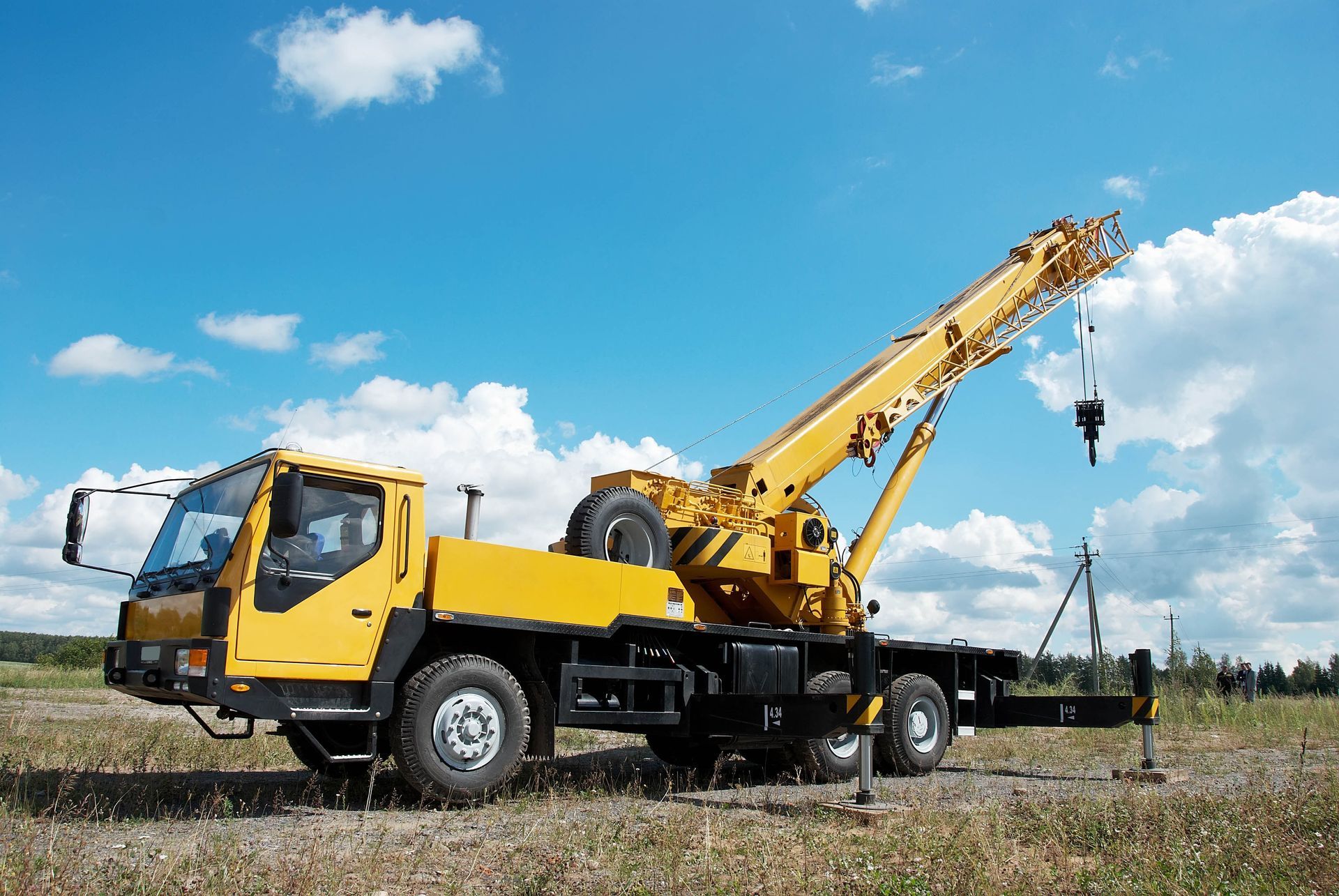
- Verify the slope of the ground to determine if outriggers are necessary.
- Check for overhead power lines or architectural obstructions.
- Confirm the availability of fuel or charging stations on the site.
Inspect Rigging and Slings
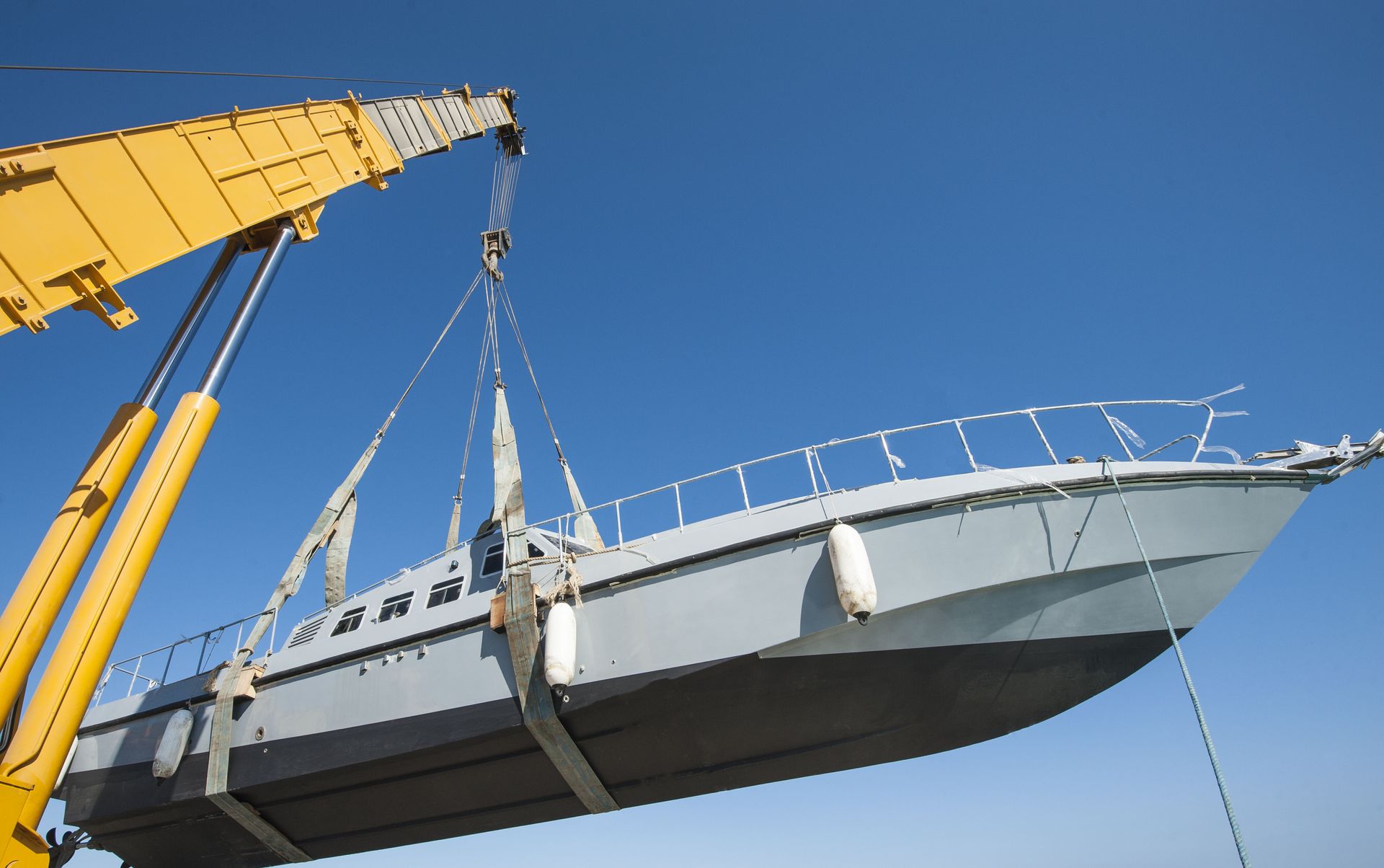
Rigging hardware acts as the critical link between the machine and the load. Even the strongest crane is useless if the slings or hooks are compromised. Careful inspection of every component is required before the first lift of the day to ensure no fraying or cracking exists.
Environmental factors like heat can drastically change the integrity of your lifting gear. According to OSHA, polyester and nylon synthetic web slings must not be used above 180 °F, and polypropylene slings must not be used above 200 °F. Keeping these materials away from extreme heat sources is mandatory for safety.
Proper storage of these components also extends their lifespan and reliability. Slings should be kept in a dry, cool area away from direct sunlight and corrosive chemicals. When you secure an equipment rental, ensure the provider includes high-quality rigging that has been recently inspected and certified for use.
Verify Operator Certification Needs
Operating heavy machinery requires specific training and often a professional license. It is not enough to simply have the machine on site; you must have a person who understands the controls and safety protocols. This expertise prevents accidents and ensures the equipment rental is handled with care.
Some jurisdictions require specialized permits for certain types of mobile cranes or high-capacity forklifts. Checking these regulations early in the planning process avoids legal complications or work stoppages. A trained operator can also identify potential mechanical issues before they become dangerous problems during a lift.
- Confirm that the operator has a valid and current certification.
- Provide a site-specific safety briefing for all personnel.
- Ensure the operator is familiar with the specific model of the rented machine.
Consider Project Duration Costs
Financial planning for heavy lifting involves more than just the daily rate of the machine. You must account for delivery fees, fuel consumption, and potential overtime charges. A short-term equipment rental might be more expensive per day, but it avoids the maintenance costs associated with long-term leases.
Discuss the timeline with your provider to see if weekly or monthly rates offer better value for your budget. If a project hits a delay, knowing the extension policies beforehand can save a significant amount of money. Always factor in the time needed for the setup and dismantling of the machinery.
The total cost should also include the price of insurance and any necessary safety barriers for the site. By looking at the complete financial picture, you can make a decision that supports the profitability of the project. Transparent pricing from a reputable dealer helps in making an informed choice.
Review Maintenance Service Records
A reliable machine is one that has been serviced regularly by qualified technicians. Before accepting an equipment rental, ask to see the recent maintenance logs. This documentation proves that the engine, hydraulics, and safety sensors are in peak condition and ready for heavy labor.
Reliability on the job site is paramount because a breakdown can halt the entire project. Machines that are well-maintained are less likely to leak hydraulic fluid or experience sudden power loss. Trustworthy providers take pride in the cleanliness and mechanical soundness of their fleet, ensuring that every component undergoes rigorous testing before it ever reaches your location. Furthermore, a commitment to consistent upkeep reduces the risk of catastrophic failure, which protects both your crew and your bottom line during the most demanding phases of a build.
- Look for signs of recent hydraulic hose replacements.
- Check the battery health and fluid levels of the engine.
- Test the emergency stop buttons and warning alarms.
- Verify that all safety decals and load charts are legible.
Plan Emergency Response Protocols
Safety planning must include a strategy for when things go wrong. Every person on the job site should know the location of fire extinguishers and first aid kits. When using equipment rental, establish a clear communication chain between the operator and the ground crew.
Establishing a "no-go" zone under the lift path prevents bystanders from being in danger if a load shifts. Regularly scheduled safety meetings keep these protocols fresh in the minds of the workers. A proactive approach to safety is the hallmark of a professional and successful lifting operation.
Effective communication often involves hand signals or two-way radios, especially in noisy environments. Ensure that all signals are standardized and understood by everyone involved in the movement of the load. This coordination reduces the risk of confusion during critical moments of the lifting process.
Successful heavy lifting requires the right tools and a commitment to rigorous safety standards. By evaluating your load, checking the environment, and verifying the condition of your machinery, you ensure a smooth operation from start to finish. When you need the highest quality lifting solutions and expert guidance, reach out to the professionals at Acme Lifting Products Inc.