November 24, 2026
Equipment needs can arise unexpectedly, whether a construction project is moving ahead of schedule, a maintenance issue requires immediate attention, or a business needs additional machinery to handle a temporary increase in demand. Purchasing equipment is not always practical, especially when a particular machine is only needed for a short period. Renting provides access to the tools and machinery necessary to keep work moving without committing to a major purchase. However, where you rent can make a meaningful difference in how quickly and efficiently you get what you need. Local providers offer several advantages, including convenient communication, responsive service, and a better understanding of nearby project demands. Choosing local equipment rentals can also simplify scheduling and help reduce delays when time is an important factor. Understanding these benefits can help businesses and contractors make more informed equipment decisions.
Accessing Equipment Without Long Delays
When a project depends on specialized machinery, waiting several days for equipment to arrive can disrupt the entire schedule. Local rental companies may offer a more convenient option because their inventory and service operations are closer to the job site. This proximity can make it easier to coordinate pickup, delivery, and equipment availability. Customers can also contact the rental provider directly to discuss urgent requirements and identify suitable options. Rather than spending valuable time coordinating with a distant supplier, businesses can work with a nearby team that understands the local service area. Availability will depend on the equipment type and current demand, so checking inventory early remains important. Choosing local equipment rentals can help simplify the process when a project needs machinery quickly. Faster coordination allows crews to focus more attention on completing the work.
Finding Equipment That Fits Your Project
Not every project requires the same type or size of equipment. Selecting machinery that does not match the job can create unnecessary expenses, operational challenges, and delays. Local rental professionals can discuss the work being performed and help identify equipment that meets the project's requirements. They may ask about site conditions, lifting capacity, operating space, or the expected duration of use. These details help narrow down suitable rental options before equipment is reserved. Customers can also discuss whether a particular machine is appropriate for the conditions at their job site. This conversation can be especially useful when a project involves specialized lifting or material-handling needs. Working with a knowledgeable provider helps businesses avoid choosing equipment based solely on appearance or price.
Reducing Equipment Ownership Expenses
Buying machinery requires a significant financial commitment that may not make sense for every business. Equipment ownership also involves ongoing expenses, including storage, maintenance, repairs, insurance, and eventual replacement. Renting allows companies to pay for equipment during the period when it is actually needed. This arrangement can help preserve capital for labor, materials, transportation, and other project expenses. It may also reduce the need to find permanent storage space for machinery that is only used occasionally. According to WifiTalents, more than 80% of rental contracts now include a specific liability waiver addressing operator negligence, highlighting the importance of reviewing rental agreements and understanding their terms. Businesses should always confirm what protections, responsibilities, and exclusions apply before signing. With careful planning, local equipment rentals can provide access to necessary machinery without the long-term financial responsibilities of ownership.
Simplifying Delivery and Pickup Coordination
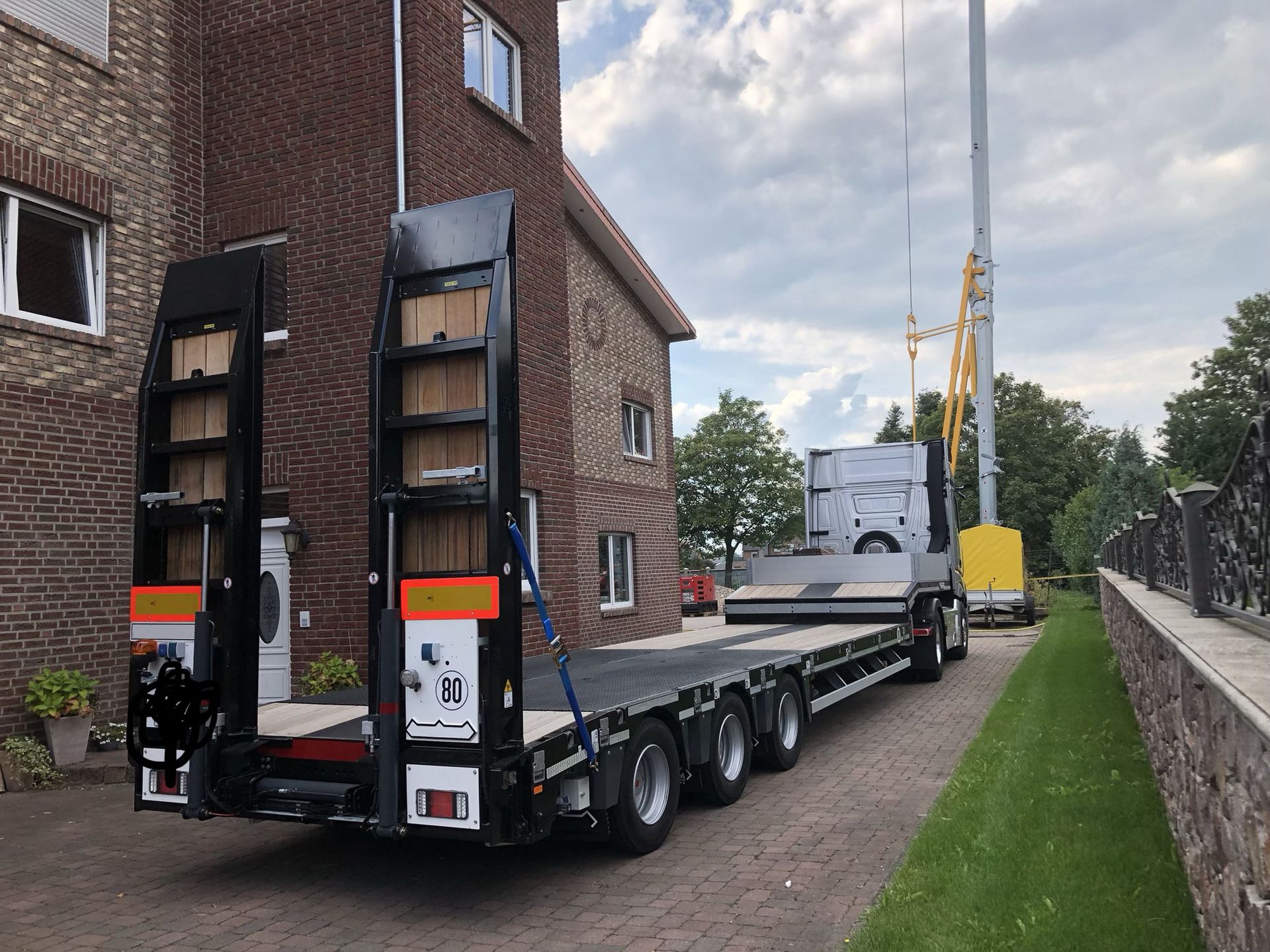
Transporting large or specialized equipment requires planning, suitable vehicles, and attention to safety. Businesses may not have the trailers, trucks, or personnel needed to move certain machines independently. A local rental provider can explain available delivery and pickup arrangements and help coordinate transportation around the project schedule. Shorter distances may also make scheduling more convenient, although delivery options and timing depend on the provider's policies. Clear communication about access points, site conditions, and unloading requirements can help prevent avoidable complications. Customers should confirm delivery windows and any additional transportation charges before finalizing a rental. Having these details settled ahead of time helps crews prepare the job site for the equipment's arrival. Efficient coordination can make the rental process easier from the initial reservation through the equipment's return.
Receiving Responsive Customer Support
Equipment problems can create significant interruptions when a project is operating on a tight schedule. Questions about machine operation, rental terms, or equipment performance may also arise after the machinery has arrived. Working with a nearby provider can make communication more convenient when assistance is needed. Customers may be able to speak directly with staff who understand the equipment being rented and the services available. This access can help clarify operating instructions, maintenance expectations, and procedures for reporting a problem. Before renting, businesses should ask how support is handled during the rental period and what steps to follow if equipment stops working. Knowing who to contact can make it easier to respond when unexpected concerns occur. Responsive communication is an important part of maintaining productivity throughout a project.
Supporting Changing Project Schedules
Construction, industrial, and maintenance projects do not always proceed according to their original timelines. Weather conditions, material availability, staffing changes, and unexpected site issues can all affect how long equipment is needed. Renting provides flexibility because businesses can arrange equipment access around specific project phases. If a job requires additional time, customers can contact the provider to ask about extending the rental period. If equipment is no longer needed, the business may be able to arrange an earlier return according to the rental agreement. These options can help companies avoid purchasing machinery for work that may change over time. Local equipment rentals can be especially useful when project managers need to coordinate several machines across different stages of a job. Reviewing extension policies and return requirements before renting helps prevent scheduling misunderstandings.
Prioritizing Equipment Condition and Safety
Reliable equipment is essential for completing work efficiently and protecting everyone on the job site. Before accepting a rental, customers should understand how the provider inspects and maintains its machinery. Businesses should also examine the equipment for visible damage and confirm that important components appear to be in proper working condition. Any concerns should be reported before operation begins. Operators must receive appropriate training and follow the manufacturer's instructions, workplace safety procedures, and applicable regulations. Rental customers should also understand their responsibilities for inspections, maintenance, and reporting mechanical problems during the rental period. A professional provider should be able to explain the equipment's basic operating requirements and relevant safety information. Taking these precautions helps reduce avoidable risks and supports more dependable equipment use.
Building Convenient Local Business Relationships
Establishing a relationship with a nearby rental provider can make future equipment needs easier to manage. Once a company understands a customer's typical projects, equipment requirements, and scheduling preferences, future rental conversations may become more straightforward. Businesses can also learn which machines are commonly available and how far in advance certain equipment should be reserved. This familiarity can be valuable when unexpected work arises or several projects require equipment at the same time. Local providers may also have insight into common job conditions and equipment demands in the surrounding area. Customers should still compare equipment specifications, rental terms, and service arrangements to make sure each rental meets the project's needs.
A consistent provider can become a useful resource for planning and coordinating equipment access. Maintaining a dependable rental relationship helps businesses prepare for upcoming work without unnecessary complications.
Getting the right equipment at the right time can make a major difference in project efficiency, scheduling, and overall costs. Local rental companies offer convenient access, responsive communication, flexible arrangements, and practical support throughout the rental process. Businesses can also avoid some of the financial and logistical responsibilities that come with purchasing and maintaining machinery. Acme Lifting Products Inc provides equipment solutions for businesses that need dependable support for their lifting and material-handling requirements. Contact us to discuss your equipment needs and find a rental solution that helps keep your next project moving.