November 25, 2026
Renting heavy machinery, aerial lifts, or specialized rigging gear offers contractors and project managers immense flexibility without the overhead of permanent ownership. However, stepping into the cab of an unfamiliar excavator or operating a high-reach scissor lift carries inherent operational risks—even for seasoned operators who have spent years on active job sites. Every machine model features distinct control layouts, load-chart limitations, emergency shutoff mechanisms, and stability thresholds. Over the past decade, the rental industry has shifted away from simply handing over keys at the counter and toward structured, pre-operation onboarding.
Today, partnering with a reputable equipment rental company almost always begins with a formal safety induction before a single machine leaves the yard. Rather than viewing this requirement as an administrative delay, smart project managers recognize safety induction as a vital safeguard that protects crews, prevents costly equipment damage, and keeps project schedules moving smoothly.
Understanding What a Modern Safety Induction Covers
A comprehensive safety induction goes far beyond handing a customer a thick operator manual and asking for a signature on a liability waiver. Instead, it is a focused, hands-on orientation designed to bridge the gap between general trade experience and the specific piece of machinery being rented.
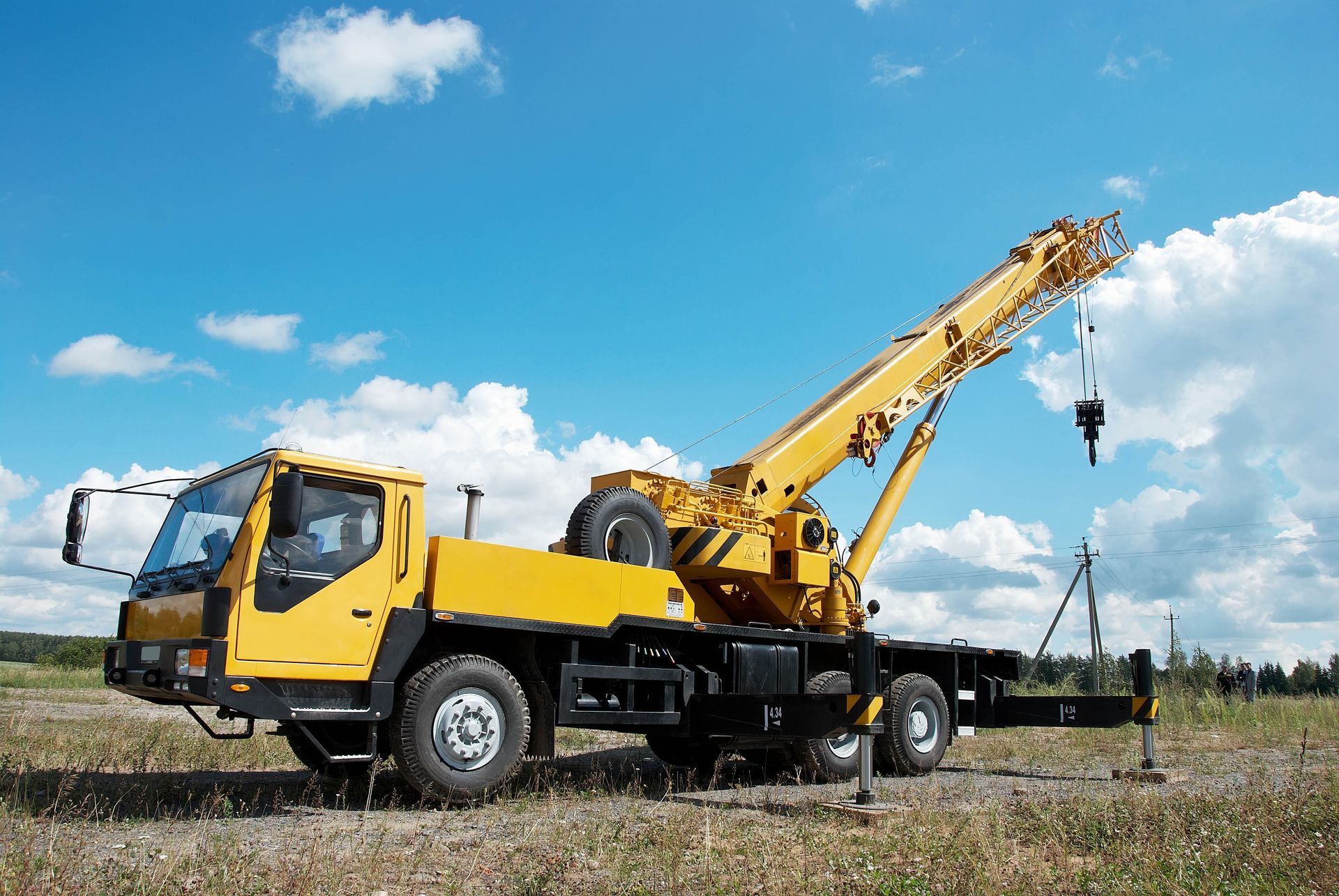
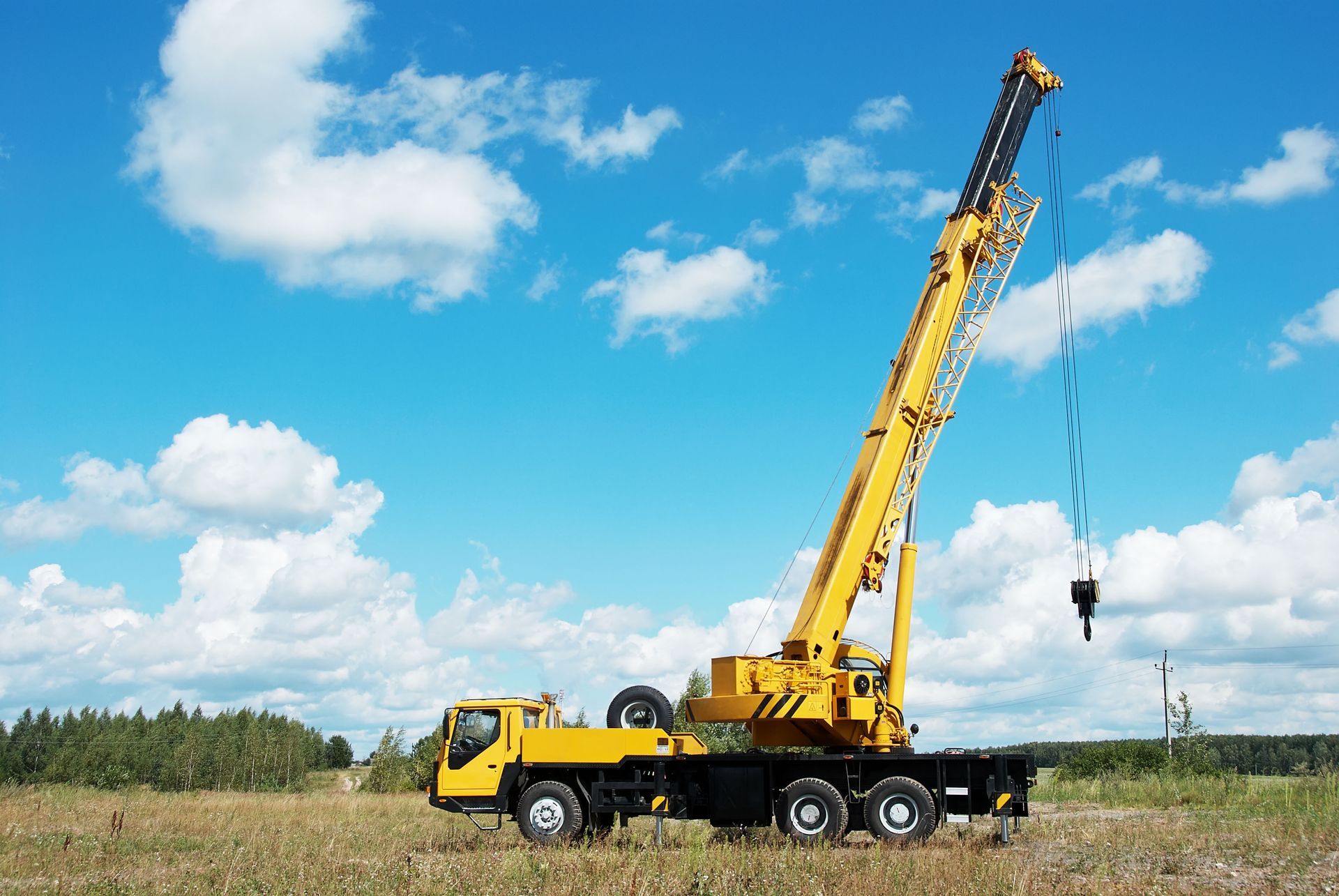
During a typical session, a qualified rental specialist walks the operator through the exact machine controls, dashboard warning indicators, and manufacturer load capacities. They demonstrate proper pre-use inspection routines—such as checking hydraulic fluid levels, examining wire ropes or chains for wear, verifying tire pressure, and testing emergency lowering valves. The induction also covers site-specific hazards, including overhead power line clearances, ground-bearing stability requirements, and proper personal protective equipment (PPE). According to WifiTalents, 75% of equipment rental companies require a mandatory safety induction for every new customer. This widespread adoption reflects a clear industry consensus that informed operators make significantly fewer preventable mistakes on the job.
Reducing Job Site Accidents and Operator Injuries
The primary driver behind mandatory safety inductions is straightforward: preventing workplace injuries and saving lives. Heavy construction, material handling, and industrial maintenance environments leave zero margin for guesswork when operating high-load lifting equipment or mobile machinery. Many severe job site incidents—such as tip-overs, load drops, pinch-point injuries, and struck-by accidents—occur within the first few hours of operating an unfamiliar piece of gear. Even experienced tradespeople can be caught off guard when control joysticks or braking systems respond differently than the models they used on previous projects.
When an equipment rental company requires every new customer to complete an orientation, operators enter the job site knowing exactly how the machine responds under load and how to shut it down immediately if conditions change. Familiarity with stability alarms, outrigger deployment procedures, and blind-spot visibility dramatically lowers the likelihood of human error. By ensuring every operator understands both machine limits and safe operating procedures before work begins, rental providers help contractors maintain spotless safety records and send every crew member home unharmed at the end of the shift.
Navigating Strict Regulatory and OSHA Compliance Standards
Workplace safety regulations governing construction and industrial equipment have grown increasingly rigorous, with agencies like the Occupational Safety and Health Administration (OSHA) enforcing strict rules around operator qualification and equipment familiarization. Under federal and local safety standards, employers are legally obligated to ensure that workers are properly trained and familiarized with the specific make and model of equipment they operate—not just certified in general equipment categories.
An established equipment rental company helps contractors meet these compliance obligations right from the start of the rental period. Documented safety inductions create a clear, auditable trail showing that the operator received model-specific instruction on controls, safety devices, and manufacturer guidelines before operation. Keeping these signed familiarization checklists on file also simplifies safety reporting for general contractors and site safety directors. In the event of a routine job site inspection or an unexpected audit, having documented proof of equipment familiarization protects both the contractor and the site owner from costly regulatory citations, stop-work orders, and legal disputes.
Protecting High-Value Machinery From Preventable Damage
Modern lifting gear, telehandlers, and earthmoving machines are sophisticated pieces of engineering equipped with sensitive sensors, electronic control modules, and precision hydraulic systems. When an operator is unfamiliar with a machine's operating parameters, misuse can quickly lead to bent booms, overloaded hoists, burned-out transmissions, or damaged hydraulic cylinders.
Beyond creating safety hazards, equipment damage triggers expensive repair bills, disputes over damage waivers, and frustrating downtime while waiting for a replacement unit. By investing fifteen or twenty minutes in a structured orientation, a forward-thinking equipment rental company ensures customers know how to operate the machinery within its engineered limits. Operators learn how to warm up engines properly, avoid shock-loading lifting attachments, and respond correctly to dashboard fault codes rather than forcing a struggling machine to keep working. Taking a few extra minutes to review daily shutdown and storage procedures further shields sensitive components from overnight weather or job site wear. The result is longer equipment life, fewer mid-project breakdowns, and lower total rental costs for the customer.
Lowering Liability Risks and Insurance Exposure
Both contractors and rental providers face substantial financial exposure whenever an accident or property damage incident occurs on a job site. Insurance underwriters closely scrutinize how rental fleets manage risk, and companies with high incident rates face steep premium increases or restricted coverage terms.
Mandating safety inductions serves as a powerful risk-management tool for everyone involved in the project. When an equipment rental company verifies that every new customer understands safe operating procedures, load limits, and emergency protocols, the probability of catastrophic property damage or third-party liability claims drops sharply. For contractors, demonstrating proactive safety habits—including completing formal equipment orientations—also strengthens their standing with general contractors, project owners, and commercial insurers who prioritize working with safety-conscious subcontractors.
Boosting Crew Confidence and On-Site Productivity
Safety and productivity are not competing priorities; they work hand in hand. When an operator climbs onto an unfamiliar machine without proper instruction, they naturally spend extra time hesitating, hunting for switches, or second-guessing load capacities. Worse yet, an unsure operator may avoid using advanced machine features that could otherwise speed up material handling or precision placement.
A clear, practical safety induction eliminates that learning-curve friction before the machine ever reaches the work zone. Operators step onto the job site feeling confident, prepared, and comfortable with the equipment's controls and capabilities. That confidence translates into smoother movements, faster cycle times, better coordination with ground spotters, and fewer costly delays caused by operator uncertainty or minor operational missteps.
Setting a Higher Standard Across the Rental Industry
As job sites become more complex and equipment technology continues to advance, thorough operator familiarization has become non-negotiable. Leading providers understand that their responsibility does not end when a customer signs a rental agreement; true partnership means equipping every crew with the knowledge needed to work safely and efficiently. Choosing an equipment rental company that prioritizes mandatory safety inductions signals that you are working with an organization committed to professionalism, regulatory compliance, and genuine care for your team's well-being.
Mandatory safety inductions have transformed the equipment rental experience from a simple transaction into a proactive partnership focused on job site safety, compliance, and operational efficiency. By ensuring every new customer understands machine-specific controls, pre-use inspection routines, regulatory requirements, and safe load limits before work begins, a dedicated equipment rental company protects workers from injury while keeping high-value machinery running smoothly and on schedule. When your next project demands dependable lifting gear backed by thorough safety support and industry expertise, contact Acme Lifting Products Inc today to schedule your rental and keep your crew operating safely at peak performance.